Smart Tree Care: Why Expert Pruning Keeps Your Landscape Healthier and Safer
The trees on your property are more than just part of the scenery; they are living assets that enhance your home's value, provide shade, and contribute to the local ecosystem. But like any valuable asset, they require proper care to thrive. One of the most critical, yet often misunderstood, aspects of tree maintenance is pruning. While it might seem like a simple task of cutting a few branches, professional pruning is a science and an art. It's a strategic process that directly impacts a tree's health, safety, and beauty. In this comprehensive guide, we'll explore why expert pruning is an essential investment for a healthier, safer, and more vibrant landscape.

The Science Behind a Simple Cut: What is Pruning?
At its core, pruning involves the selective removal of specific parts of a plant, such as branches, buds, or roots. For trees, this isn't about giving them a haircut; it's a targeted intervention based on tree biology. Every cut has the potential to alter a tree's growth, and when done correctly, it can invigorate it. When done incorrectly, it can cause irreparable harm.
A professional arborist understands how trees respond to pruning. They know that a proper cut, made just outside the branch collar, allows the tree to form a protective layer of callus wood over the wound, effectively sealing it from decay and disease. Here at Perfection Tree Specialist, our approach is always rooted in this understanding, ensuring every cut serves a purpose for the tree's long-term well-being.
The Goals of Professional Pruning:
- Health: Removing dead, diseased, or damaged limbs to prevent decay and pests from spreading.
- Structure: Training young trees and correcting structural flaws in mature ones to ensure strength and stability.
- Safety: Eliminating branches that pose a hazard to people, property, or power lines.
- Appearance: Enhancing the natural form and character of a tree, rather than forcing it into an unnatural shape.
- Production: Improving flower or fruit yield by directing the tree's energy more efficiently.
Unlocking Tree Vitality: The Health Benefits of Expert Pruning
Proper pruning is like a wellness check-up for your trees. It's a preventative measure that addresses small issues before they become catastrophic problems, ensuring your trees live long, healthy lives.
1. Disease and Pest Management
Dead, dying, or diseased branches are open invitations for pests and fungal pathogens. These compromised limbs can act as a gateway for infections to enter the main trunk of the tree. By strategically removing this wood, an arborist effectively quarantines the problem, stopping the spread of diseases like cankers or powdery mildew. Furthermore, thinning the canopy improves air circulation and sunlight penetration, creating an environment less hospitable to fungi and insects.
2. Promoting Strong Structural Integrity
Not all branches are created equal. Trees can develop weak branch unions, often identified by narrow, V-shaped angles with included bark. These unions are prone to splitting, especially during storms. A certified arborist can identify and correct these structural defects early on, often through a process called subordination pruning, which slows the growth of one competing stem to strengthen the main leader. This proactive approach builds a robust framework that can withstand high winds and heavy snow, preventing future failures.
3. Stimulating Healthy Growth
By removing unnecessary branches, a tree can redirect its energy and resources to developing a stronger root system and healthier, more productive limbs. This is particularly important for fruit trees, where pruning can significantly increase the size and quality of the harvest. For ornamental trees, it encourages vigorous new growth and more abundant flowering, making your landscape a true showpiece.
A Safer Landscape: How Pruning Mitigates Risks
Beyond health, the most immediate benefit of professional pruning is safety. Neglected trees can become significant liabilities, posing a threat to your home, vehicles, and family.
1. Eliminating Obvious Hazards
The most common safety concern is deadwood. Large, dead branches, often called "widowmakers," can break and fall at any moment, without warning. An expert eye can spot these hazards high in the canopy. Similarly, low-hanging branches can obstruct walkways and driveways, while limbs growing too close to your roof can cause damage and provide a pathway for pests like squirrels and raccoons into your home.
2. Preventing Storm Damage
A dense, unpruned canopy acts like a sail in a storm, catching the full force of the wind. This puts immense stress on the trunk and root system, increasing the risk of the entire tree uprooting. Professional crown thinning selectively removes branches to allow wind to pass through more easily, reducing this risk. This is a far superior and healthier alternative to "topping," an outdated and harmful practice that can ruin a tree's structure and lead to weaker, more dangerous regrowth.
3. Improving Visibility and Security
Overgrown trees and shrubs can create blind spots around your property, obscuring sightlines for drivers pulling out of a driveway and providing cover for potential intruders. Pruning to raise the canopy and clear vegetation around windows and doors not only improves the curb appeal of your home but also enhances its security.
The Dangers of DIY: Why a Professional Makes All the Difference
While trimming a small shrub might be a manageable weekend task, pruning a mature tree is a different challenge entirely. It requires specialized knowledge, tools, and a strict adherence to safety protocols.
- Incorrect Cuts: Practices like topping (cutting off the entire top of a tree) or making flush cuts (removing the branch collar) can lead to decay, weak branch attachment, and an ugly, unnatural appearance.
- Spreading Disease: Using unsterilized tools can transfer pathogens from one tree to another, spreading disease throughout your property.
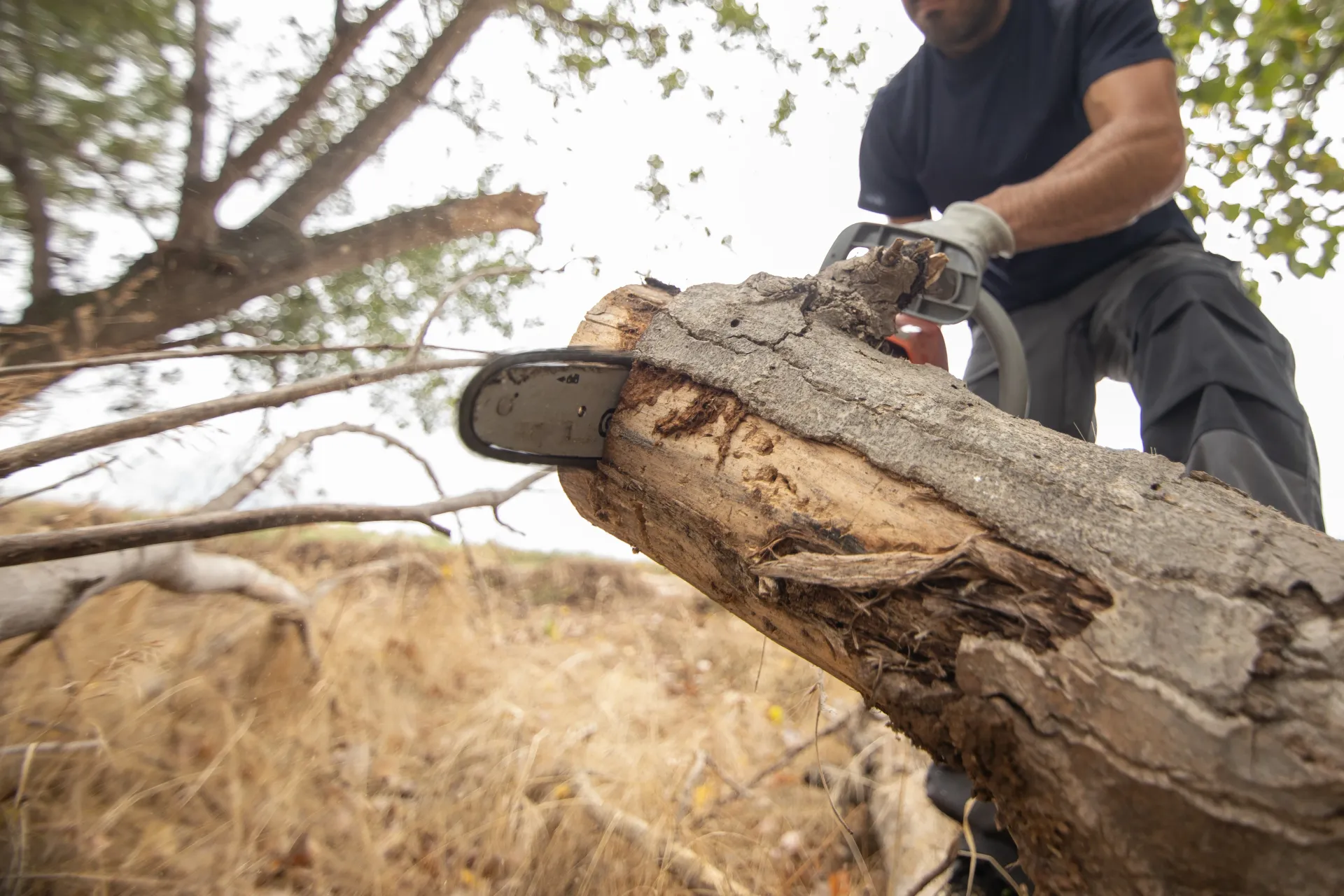
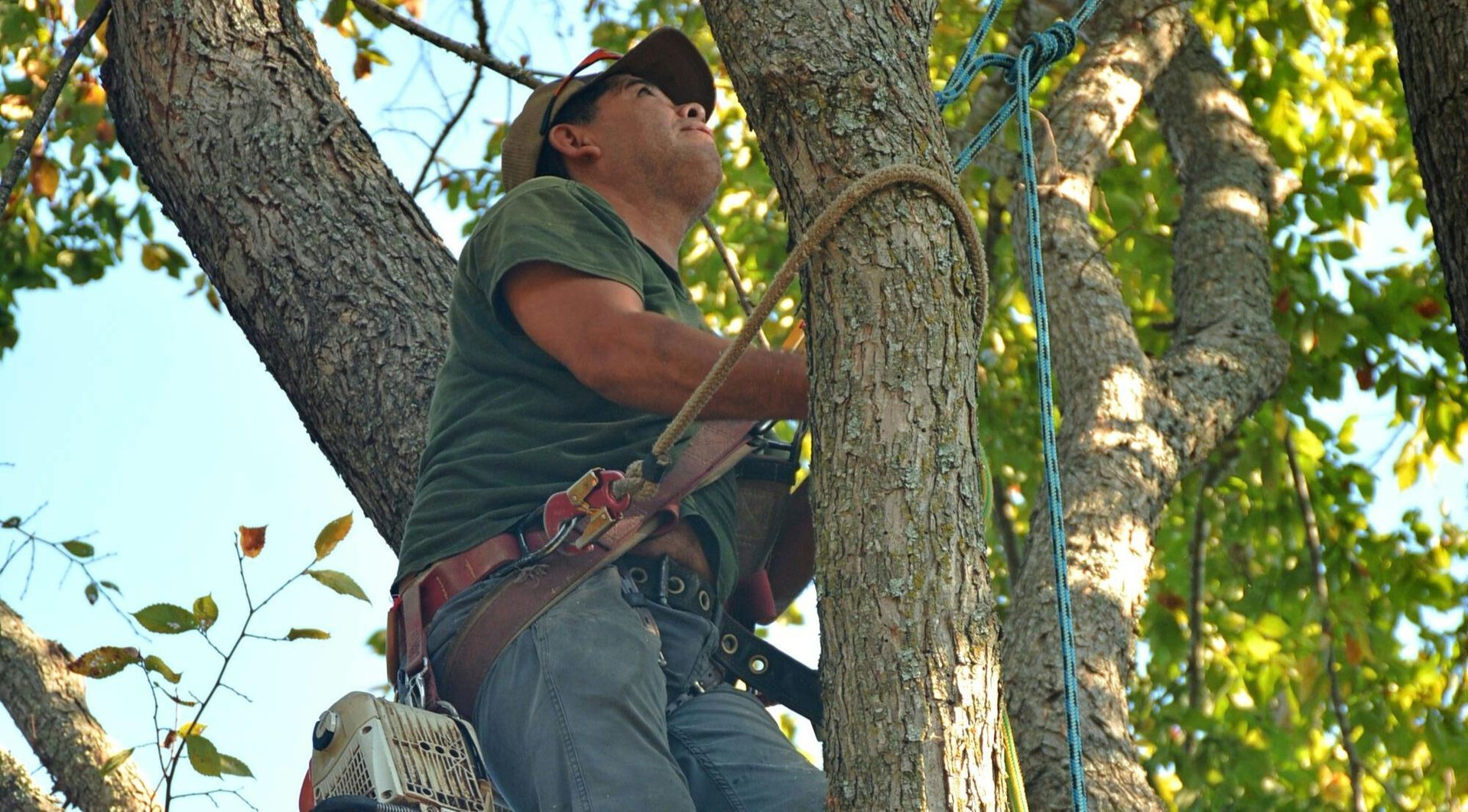
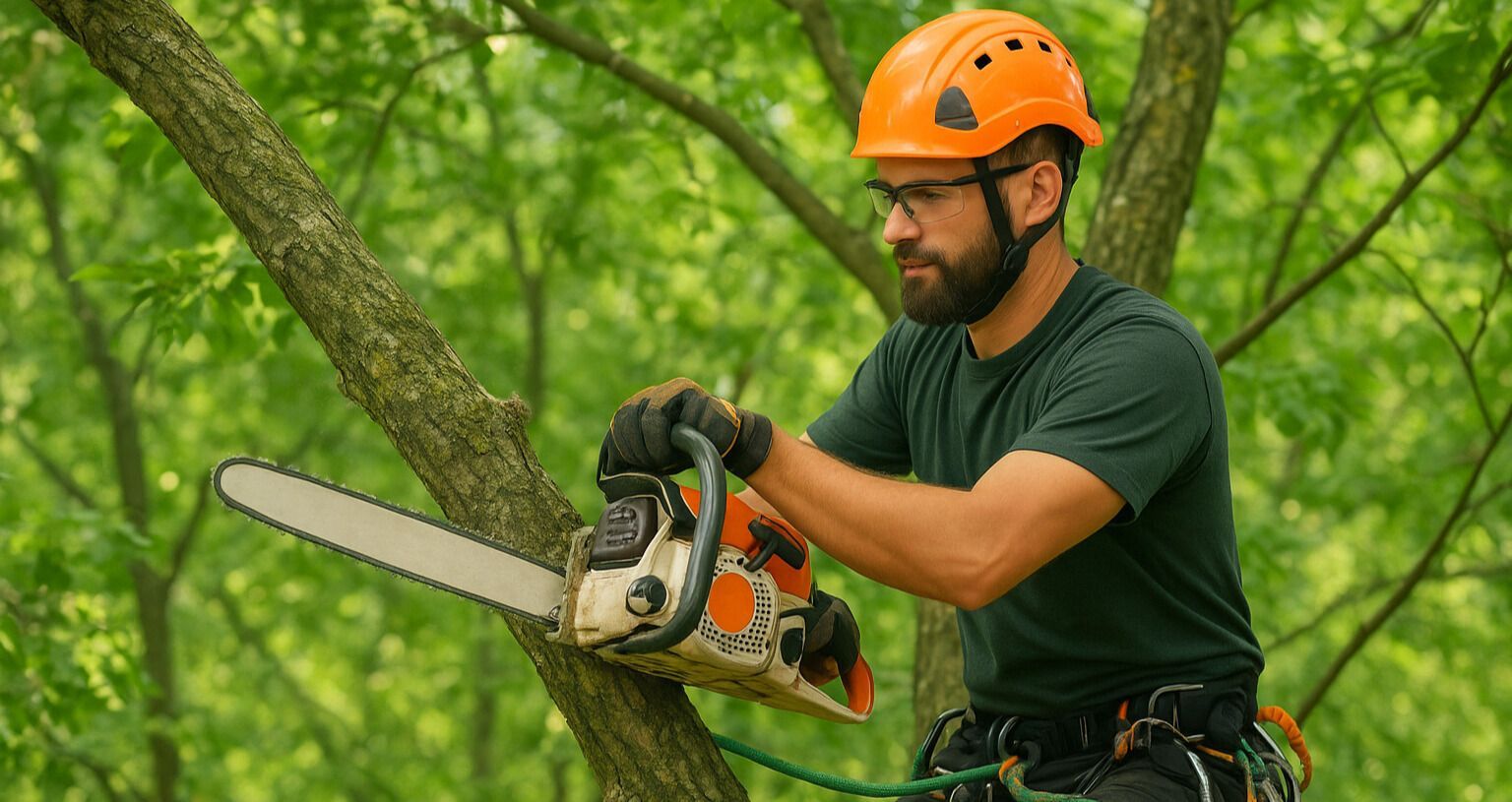
- Personal Injury: Arboriculture is one of the most dangerous professions for a reason. Working at height, handling chainsaws, and navigating nearby power lines are all significant risks that demand professional training and equipment.
At Perfection Tree Specialist, our team is trained in the latest techniques and adheres to the ANSI A300 standards, the industry benchmark for tree care. This commitment ensures that our services not only make your trees look better but fundamentally improve their health and safety.
Timing is Everything: When is the Best Time to Prune?
While dead or hazardous branches can be removed at any time, the timing for major structural pruning depends on the species and the desired outcome.
Dormant Season (Late Fall/Winter): This is generally the best time for most pruning. The tree is not actively growing, so the cuts are less stressful. The absence of leaves makes it easier to see the tree's structure and identify problem areas. Wounds also have ample time to begin healing before the flush of spring growth.
Growing Season (Spring/Summer): This period is suitable for minor pruning to direct growth, remove smaller dead branches, or correct issues that weren't visible in the winter.
However, there are exceptions. It's crucial to consult a professional who understands the specific needs of your trees. For example, oak trees should only be pruned in the dormant season to prevent the spread of Oak Wilt, a deadly fungal disease.
| Tree Type | Optimal Pruning Time | Reason |
|---|---|---|
| Most Deciduous Trees (Maple, Ash) | Late Fall to Early Spring (Dormant Season) | Easy to see structure; less stress on the tree. |
| Oak Trees | November to March (Deep Dormancy) | To prevent transmission of Oak Wilt disease. |
| Flowering Trees (e.g., Magnolia, Dogwood) | After they finish blooming | Pruning before blooming removes the flower buds. |
| Fruit Trees | Late Winter/Early Spring | Stimulates vigorous growth for fruit production. |
| Pine and other Conifers | Late Winter (before new growth starts) | To shape the tree and control size with minimal sap loss. |
Conclusion: An Investment in a Lasting Legacy
Your trees are a defining feature of your property. Investing in their professional care is an investment in the beauty, safety, and value of your home. Expert pruning is not an expense; it's a crucial maintenance practice that pays dividends for years to come, ensuring your green assets remain a source of pride and joy. By understanding the science behind each cut, a professional arborist does more than just trim branches—they cultivate health, ensure safety, and preserve the natural elegance of your landscape. If you're ready to see the difference professional care can make, we invite you to learn more about our philosophy and approach on our homepage or contact us for a consultation.
Frequently Asked Questions
How often should my trees be pruned?
The pruning frequency depends on the tree's age, species, and health. Young trees may need structural pruning every 2-3 years to ensure they develop a strong framework. Mature trees typically require pruning every 3-5 years to remove deadwood and maintain their health and structure. A professional assessment can provide a specific recommendation for your trees.
What's the difference between pruning, trimming, and topping?
Pruning is the selective removal of branches to improve a tree's health, safety, and structure. Trimming usually refers to shaping hedges or shrubs for aesthetic purposes. Topping is an outdated and harmful practice of indiscriminately cutting the top of a tree's canopy, which leads to weak, hazardous regrowth and can severely shorten the tree's life.
Can I prune my own trees?
For small, young trees or shrubs that can be reached from the ground with hand tools, DIY pruning is possible if you research the proper techniques. However, for mature trees, any work that requires a ladder or chainsaw should be left to a trained and insured professional. The risks of personal injury and damage to the tree are too high.
Is winter really the best time to prune?
For most deciduous trees, yes. Pruning during dormancy (late fall through winter) is less stressful for the tree and allows the arborist to see the branch structure clearly. However, the ideal time can vary by species, especially for flowering trees or those susceptible to certain diseases. It's always best to consult an expert.
How much does professional tree pruning cost?
The cost of pruning varies widely based on the tree's size, species, location, accessibility, and overall condition. A small ornamental tree might cost a few hundred dollars, while a large, complex mature tree could cost over a thousand. Reputable companies like Perfection Tree Specialist will provide a detailed, on-site estimate before any work begins.