Effortless Yard Cleanup: The Ultimate Guide to Removing Branches, Leaves, and Debris
A pristine yard is a source of pride for any homeowner. But nature has its own plans, and after a storm, a windy day, or the changing of seasons, your beautiful landscape can quickly become an obstacle course of fallen branches, a blanket of dead leaves, and a collection of miscellaneous debris. Yard cleanup can feel like a daunting, never-ending chore. Where do you even begin?
Fear not. With the right strategy, the right tools, and a little bit of know-how, you can transform this monumental task into a manageable, even satisfying, process. Here at Perfection Tree Specialist, we've seen it all, and we've built our expertise on restoring order and beauty to landscapes. This comprehensive guide will walk you through everything you need to know for an effortless yard cleanup, turning chaos back into curb appeal.
Why Bother with Yard Cleanup? More Than Just Aesthetics
It's easy to dismiss yard debris as a purely cosmetic issue, but its impact goes much deeper. A clean yard is a healthy yard, and regular maintenance is crucial for several reasons:
- Lawn Health: A thick layer of leaves or debris can suffocate your grass, blocking essential sunlight, water, and air. This can lead to fungal diseases, brown patches, and a weakened root system that struggles to survive the winter.
- Pest and Disease Control: Piles of damp leaves and decaying wood are ideal breeding grounds for pests like termites, rodents, and snakes. They also harbor fungal spores and bacteria that can harm your plants and trees.
- Safety First: Fallen branches, large and small, are significant tripping hazards. Hidden sticks or rocks can damage lawnmower blades, and wet leaves can create dangerously slick surfaces on walkways and driveways.
- Nutrient Flow: Removing excess debris allows water and nutrients to reach the soil and the roots of your plants, promoting robust growth throughout your garden.
Gearing Up: Your Essential Yard Cleanup Toolkit
Having the right tools for the job is half the battle. Fumbling with inadequate equipment will only lead to frustration and wasted time. Before you start, gather your arsenal. We've broken down the essentials by task.
| Task | Essential Tools | Nice-to-Have Upgrades |
|---|---|---|
| Branch & Limb Removal | Durable work gloves, safety glasses, pruning shears (for small twigs), loppers (for medium branches), a hand saw or bow saw. | A pole saw for high branches, a chainsaw (with proper safety gear and training), a wood chipper. |
| Leaf & Light Debris Removal | A sturdy leaf rake (look for a no-clog design), tarp, large yard waste bags or cans. | A leaf blower (gas, electric, or battery), a leaf vacuum/mulcher, lawn sweeper. |
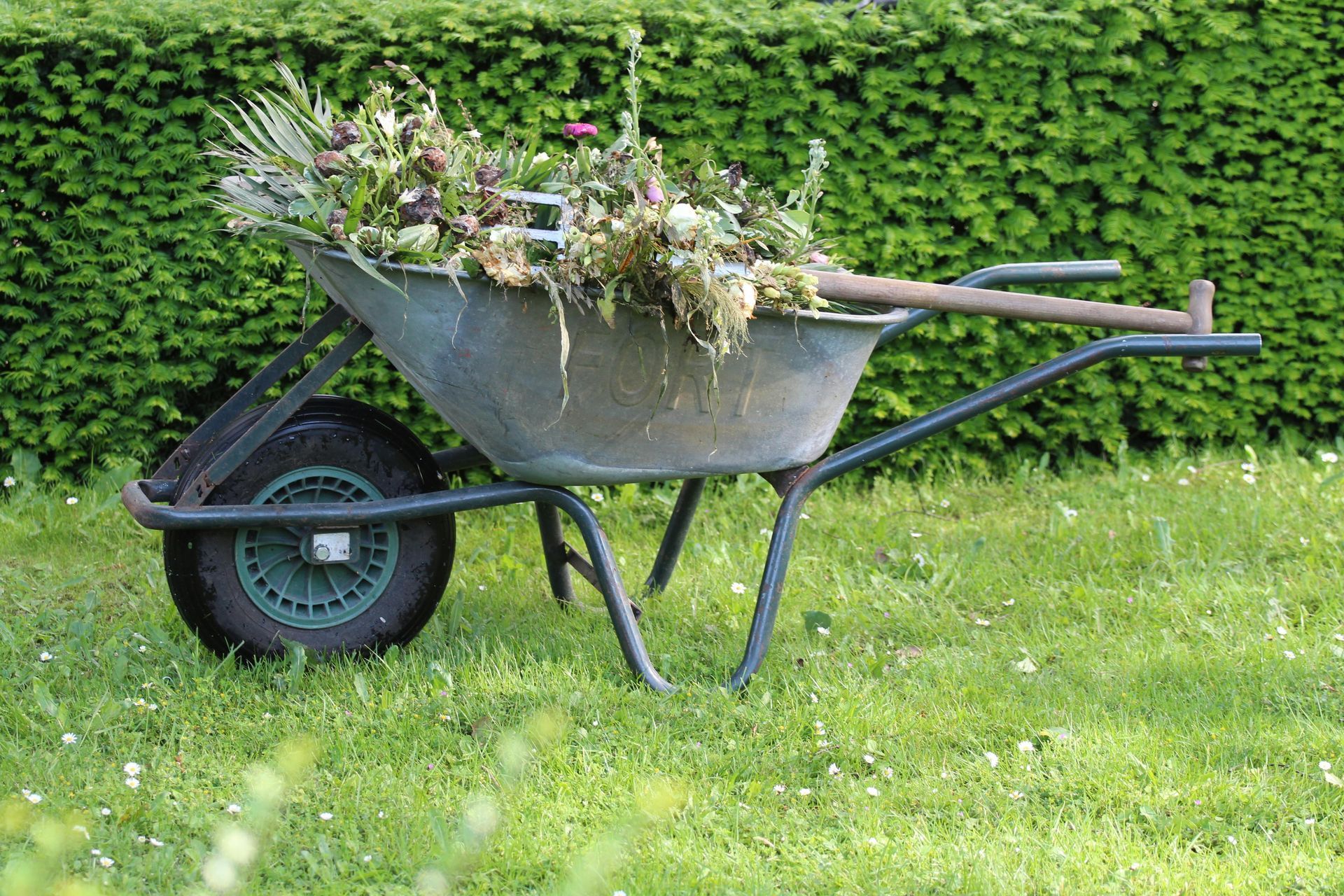
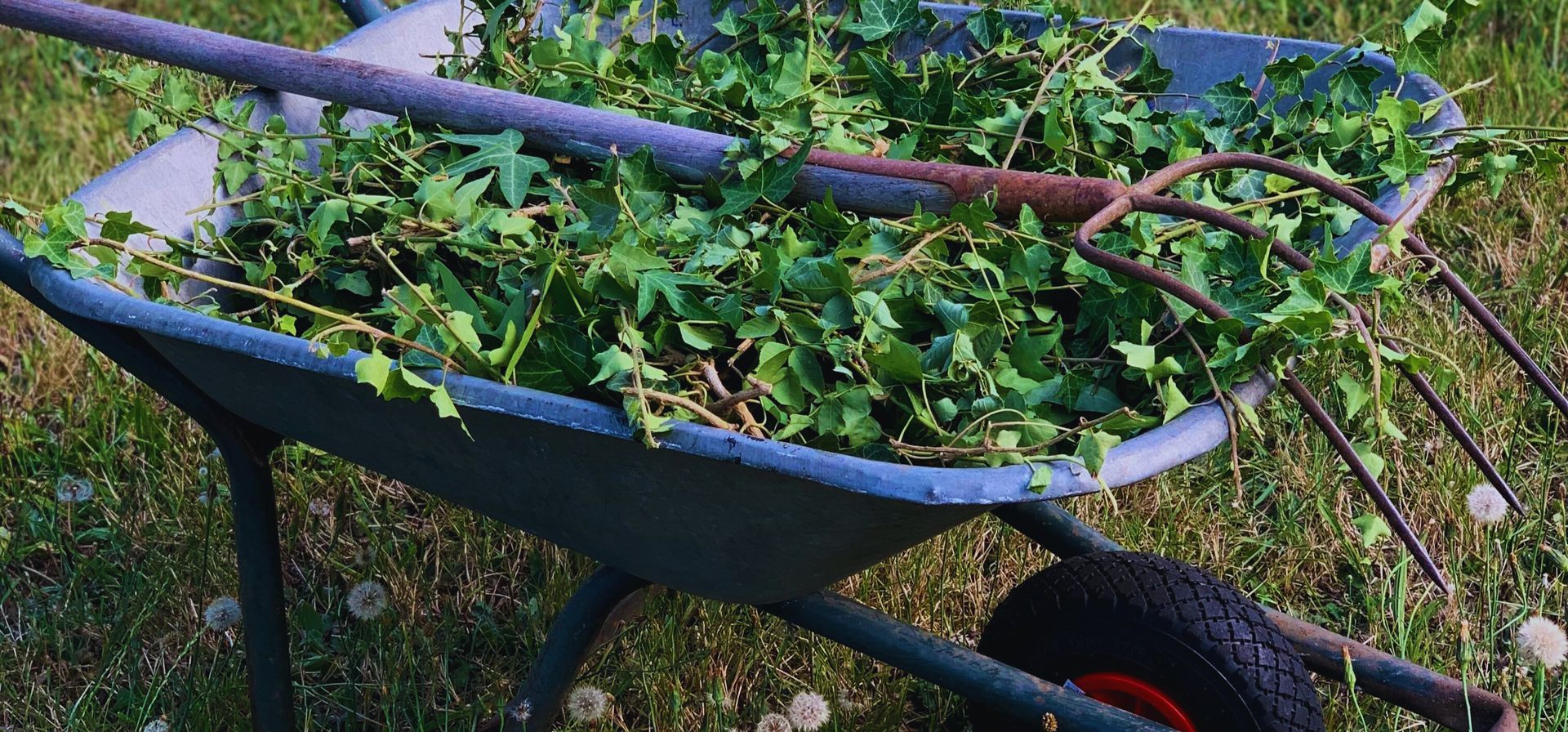
| Transport & Disposal | A wheelbarrow or yard cart. | A utility trailer for large loads. |
Investing in quality tools not only makes the work easier but also safer. At Perfection Tree Specialist, our teams rely on professional-grade equipment to handle jobs of any size efficiently and safely. Learn more about our professional services if the job feels too big for your toolkit.
The Game Plan: A Step-by-Step Strategy for Efficient Cleanup
Don't just wander into your yard and start picking things up randomly. A systematic approach will save you time and energy. Follow this top-down strategy for the best results.
Step 1: Assess and Secure the Area
Before you begin, take a walk around your property. Look for any immediate hazards. Are there any large, hanging branches (often called 'widow-makers') that look unstable? Are there any downed power lines? If you see anything that poses a serious risk, do not attempt to handle it yourself. This is the time to call a professional.
Step 2: Tackle the Big Stuff First - Branches and Limbs
Always start with the largest debris. Why? It's inefficient to rake leaves only to have to drag heavy branches across your clean lawn later.
- Gather Large Branches: Collect all the branches that are too large to be raked up and move them to a central pile, perhaps on a large tarp to protect your grass.
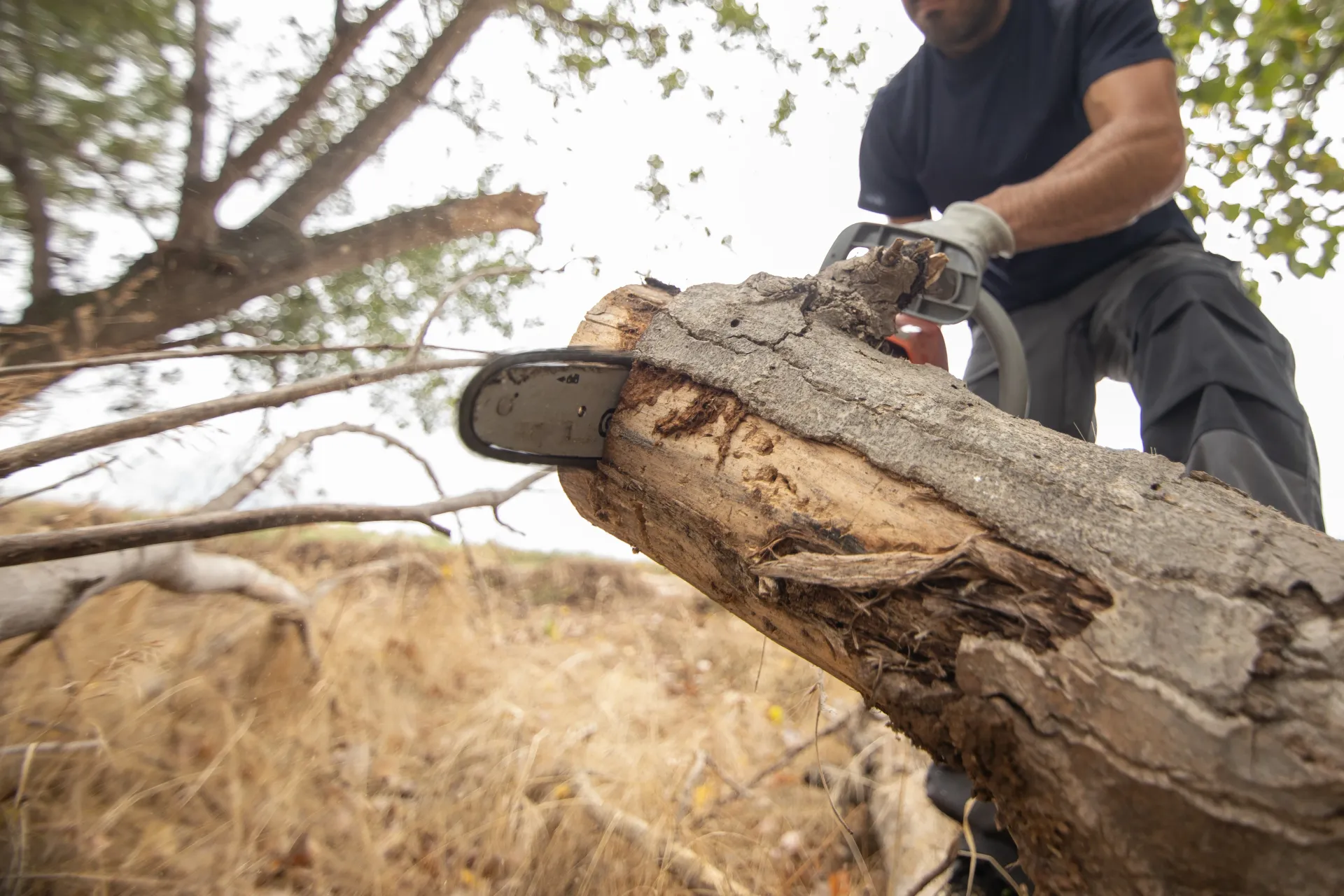
- Break Them Down: Using your loppers, hand saw, or chainsaw, cut the branches into more manageable lengths. This makes them easier to bundle for municipal pickup, fit into a wood chipper, or stack as firewood.
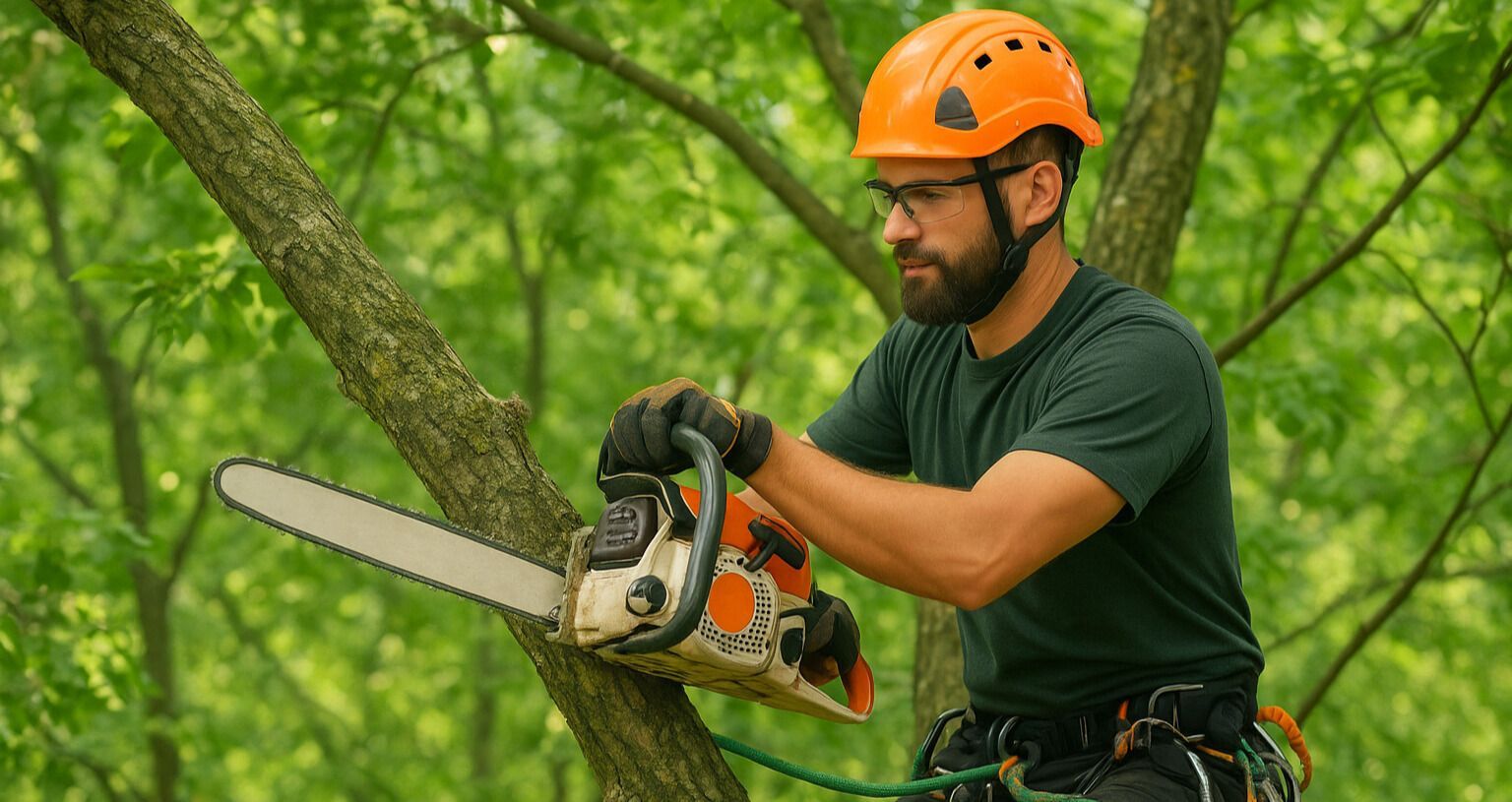
- Safety Note: When using any cutting tool, especially a chainsaw, always wear safety glasses, gloves, and sturdy footwear. Be aware of your surroundings and ensure the area is clear of pets and people.
Step 3: Move to Medium Debris - Raking Leaves and Twigs
With the large obstacles out of the way, you can now focus on the blanket of leaves and smaller debris.
- Work with the Wind: If there's a breeze, use it to your advantage. Rake or blow your leaves in the same direction the wind is blowing to make collection easier.
- The Tarp Method: Rake leaves onto a large tarp. Once it's full, you can drag the entire pile to your compost bin, curb, or transport vehicle. This saves you the back-breaking work of bagging everything on the spot.
- Rake vs. Blower: A rake is quiet, great for wet leaves, and provides a good workout. A leaf blower is much faster for large areas with dry leaves but can be noisy and stir up dust and allergens. Many homeowners find a combination of the two works best—using the blower to gather leaves into large piles and the rake for detail work around flower beds and shrubs.
Step 4: The Final Sweep - Gutters and Hardscapes
Don't forget the non-lawn areas. Clogged gutters can lead to water damage, and debris-covered patios are unsightly and unsafe.
- Clean Your Gutters: After the majority of leaves have fallen, clear your gutters to ensure proper drainage and prevent ice dams in the winter.
- Sweep Hard Surfaces: Use a stiff broom or your leaf blower to clear off your driveway, walkways, patio, and deck.
Smart Disposal: What to Do with All That Yard Waste
You've gathered the debris, now what? You have several environmentally friendly and practical options.
- Composting: Fallen leaves and small twigs are “green gold” for a compost pile. They break down into a nutrient-rich humus that you can use to enrich your garden and flower beds next season.
- Mulching: You can shred leaves with a lawnmower (with a mulching blade) or a leaf mulcher. This shredded material makes an excellent mulch to spread around trees and plants, helping to retain soil moisture and suppress weeds.
- Municipal Collection: Check your local city or county regulations. Many municipalities have scheduled curbside pickups for yard waste, especially in the fall. They often require waste to be in specific paper bags or bundled to a certain size.
- Professional Removal: For very large quantities of debris or heavy logs and branches, the most practical solution is professional removal. Companies like Perfection Tree Specialist have the equipment to chip large branches and haul away massive amounts of waste quickly and efficiently.
When to Call in the Professionals
DIY yard cleanup is rewarding, but some jobs are simply too big, too difficult, or too dangerous to handle on your own. It's time to call for professional help when you encounter:
- Overwhelming Volume: After a major storm, the amount of debris can be staggering. A professional crew can clear in hours what might take you an entire weekend.
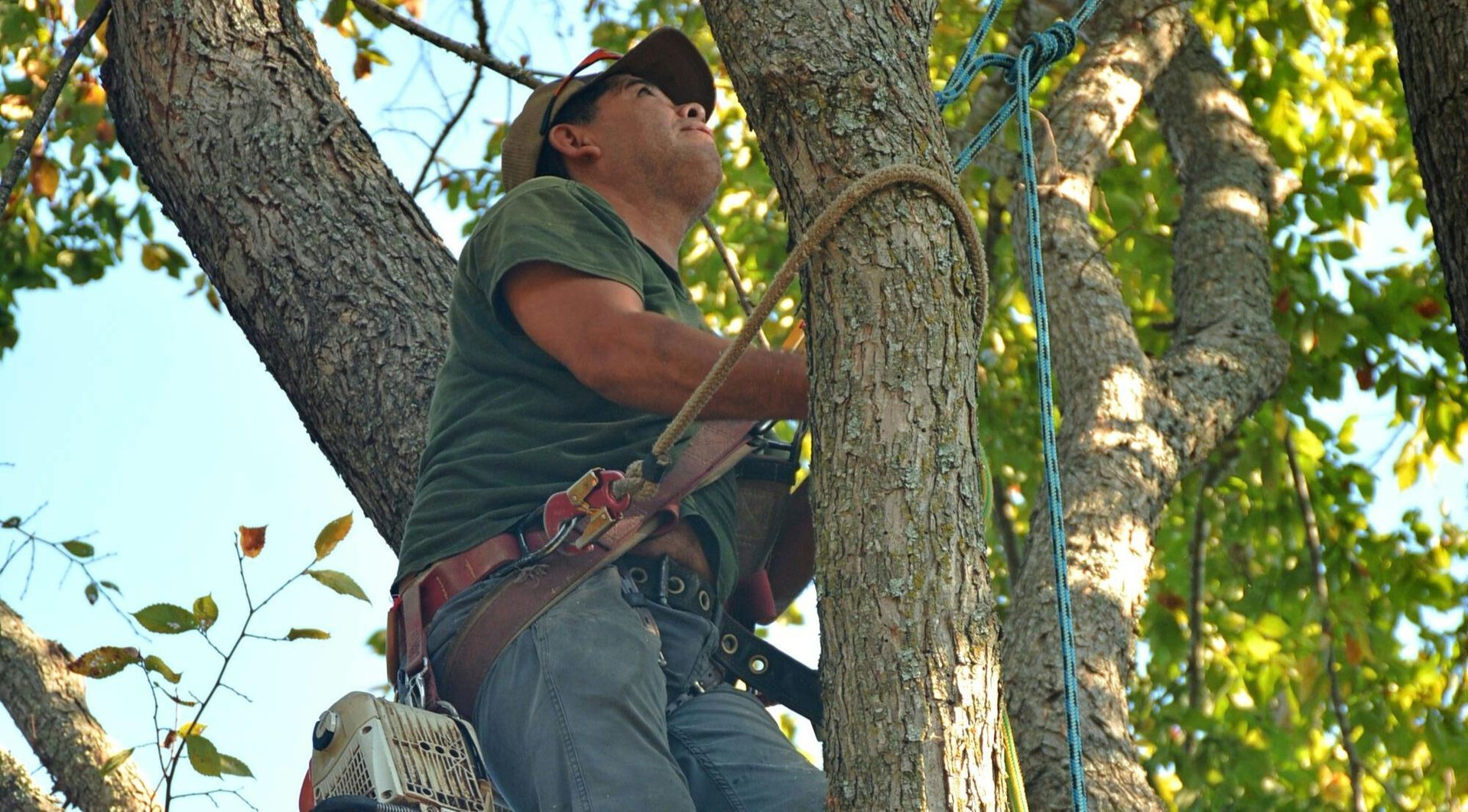
- Large or Dangerous Branches: Any branch that is too heavy for one person to lift safely, is hanging precariously overhead, or is near power lines requires an expert. Tree care professionals have the training and safety equipment to handle these situations without risk to you or your property.
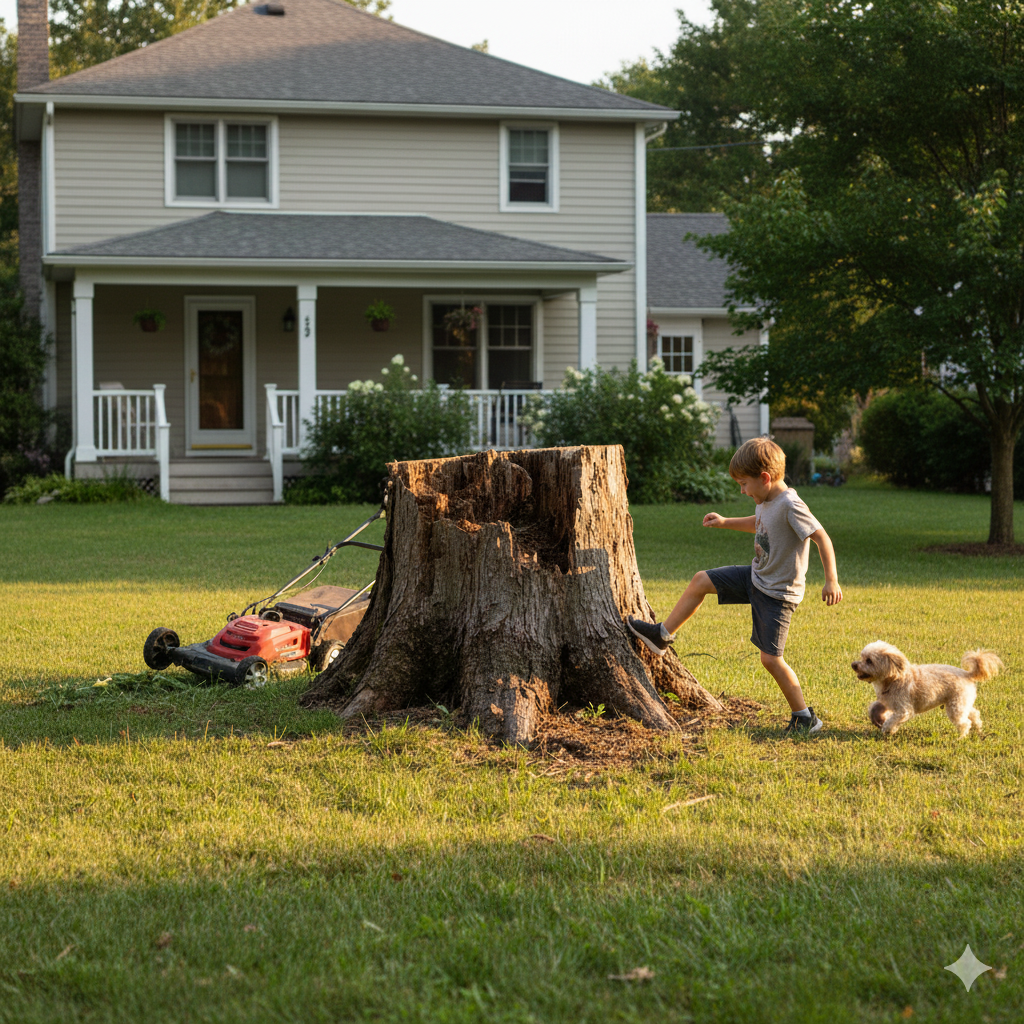
- Stump Removal: If your cleanup includes a fallen tree, dealing with the stump is a job for specialized grinding equipment.
- Lack of Time or Physical Ability: Yard work is physically demanding. If you have limitations or simply a busy schedule, hiring a service is a smart investment in your time and well-being.
At Perfection Tree Specialist, we believe your time is valuable. Our team is dedicated to providing fast, safe, and thorough cleanup services, restoring your yard to its perfect state. If you're feeling overwhelmed, don't hesitate to contact us for a consultation. You can learn more about our philosophy and team on our About Us page.
Conclusion: Reclaiming Your Outdoor Oasis
A clean yard is a blank canvas for outdoor enjoyment. By following a strategic plan, using the right tools, and knowing when to ask for help, you can tackle the task of removing fallen branches, leaves, and debris without the stress. Regular maintenance not only boosts your home's curb appeal but also fosters a healthier, safer environment for your entire landscape. So roll up your sleeves, take a deep breath of fresh air, and get ready to enjoy your beautiful, clean yard once again.
Frequently Asked Questions
How often should I clean my yard?
It's best to do a light cleanup weekly or bi-weekly during peak seasons like fall and spring to prevent buildup. A deep, thorough cleanup should be done at least twice a year: once in the spring to clear away winter debris and prepare for the growing season, and once in late fall to protect your lawn and plants through the winter.
Is it okay to leave leaves on my lawn over the winter?
It's generally not a good idea. A thick, wet layer of leaves can suffocate the grass, block sunlight, and promote mold and fungal diseases. It can also create a welcoming habitat for pests. It's much better for your lawn's health to rake them up or mulch them into fine pieces with a lawnmower.
What is the safest way to dispose of large branches?
The safest method for large branches is to have them professionally removed and chipped. If you choose to do it yourself, cut them into manageable, firewood-sized lengths on stable ground. Never attempt to cut branches that are overhead or under tension. For disposal, check with your local municipality for curbside pickup rules or find a local green waste recycling center.
Can I burn my yard waste?
This depends entirely on your local ordinances. Many cities and counties have strict burn bans due to fire risk and air pollution concerns. Before you even consider burning, you must check your local regulations. Composting, mulching, or professional removal are almost always safer and more environmentally friendly alternatives.